
Fitness technology is moving at an incredible pace, and staying updated with the latest tech fitness news has become essential for athletes, gym-goers, and everyday health enthusiasts alike. From breakthrough wearable devices to AI-driven coaching platforms, the industry is constantly introducing innovations that reshape how people train, recover, and monitor their health.
Every week brings fresh updates on smart fitness gadgets, major funding announcements, and emerging health monitoring tools that blend science with convenience. Whether you’re tracking sleep, optimizing workouts, or exploring new recovery technology, keeping up with current trends helps you make smarter fitness choices. This roundup covers the most important developments shaping the future of digital fitness today.
AI-Powered Coaches & Virtual Personal Trainers
Artificial intelligence has transformed how people train. AI fitness coaches now analyze movement patterns, heart rate variability, and workout history to deliver personalized training plans in real time.
Key capabilities include:
- Real-time form correction using computer vision
- Adaptive workout programming based on recovery data
- Voice-guided coaching through smartphone apps
- Progress tracking with predictive analytics
Unlike traditional trainers, virtual AI coaches are available 24/7, making personalized fitness guidance more accessible and affordable for everyday users.
How accurate are AI personal trainers?
Modern AI trainers use machine learning algorithms and sensor data to achieve high accuracy in form correction and progress tracking, though they still can’t fully replace human judgment for injury-specific care.
Smartwatches & Wearable Tech Roundup
Wearable Tech Fitness News remains the backbone of personal health tracking. Today’s smartwatches go far beyond step counting.
| Feature | Purpose | Popular Use Case |
| Heart Rate Monitoring | Tracks cardiovascular health | Workout intensity control |
| SpO2 Sensors | Measures blood oxygen levels | Sleep and altitude tracking |
| ECG Monitoring | Detects irregular heart rhythms | Early health warnings |
| GPS Tracking | Maps outdoor activity | Running and cycling |
| Sleep Tracking | Analyzes sleep stages | Recovery optimization |
Wearable devices now integrate biometric sensors that continuously monitor stress, recovery, and energy levels turning everyday gadgets into personal health dashboards.
Which is better: Apple Watch or Garmin for fitness tracking?
Apple Watch excels in app ecosystem and daily health features, while Garmin is preferred by serious athletes for advanced performance metrics and longer battery life.
Brain & Nervous System Stimulation Devices
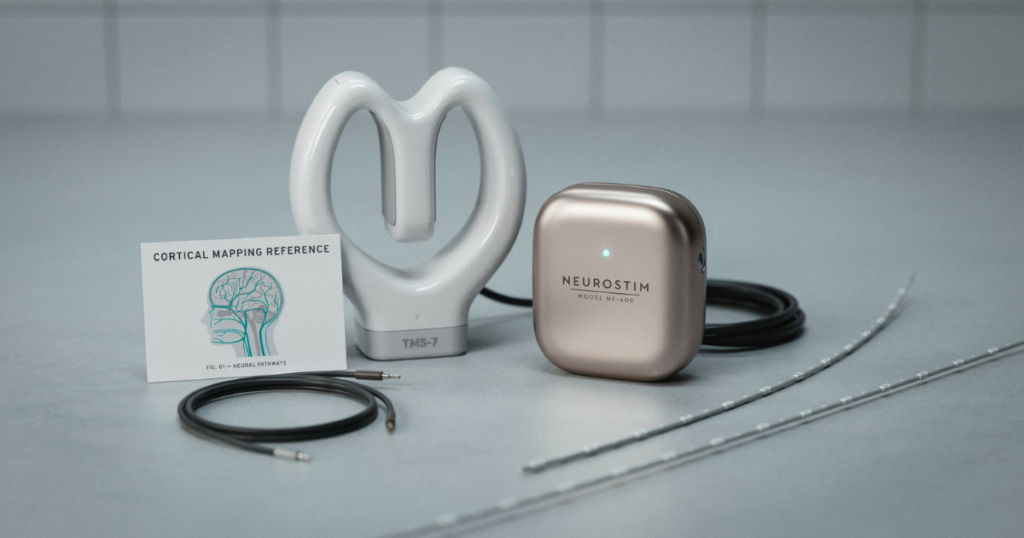
A rising trend in fitness tech is neurostimulation devices designed to enhance focus, reduce stress, and speed recovery through nervous system regulation.
Popular categories include:
- Transcranial stimulation headsets for mental focus
- Vagus nerve stimulators for stress reduction
- EEG-based wearables for meditation tracking
- Neurofeedback training tools for athletes
These devices tap into neurotechnology to help users manage cognitive performance, not just physical fitness a growing crossover between brain health and athletic training.
Smart Gyms & Fitness Club Innovations
Traditional gyms are becoming tech-integrated fitness hubs. Smart gym equipment now includes AI-powered machines that adjust resistance automatically and track every rep.
Notable innovations:
- Connected gym equipment with app syncing
- Digital mirrors offering live and on-demand classes
- Biometric check-in systems for personalized workouts
- AI-based capacity management to reduce overcrowding
Fitness clubs are also using data-driven member insights to improve retention and design more effective group training programs.
Big Mergers, Acquisitions & Funding News
The fitness technology industry has seen major consolidation as wearable brands, health platforms, and AI startups merge to expand their capabilities.
| Trend | Impact |
| Wearable brands acquiring AI startups | Faster development of predictive health features |
| Gym chains investing in fitness apps | Hybrid membership models |
| Health insurers funding wearable tech | Preventive care incentives |
| VC funding in recovery tech | Accelerated product innovation |
This wave of fitness tech investment signals long-term confidence in digital health as a core part of everyday wellness not a passing trend.
Sports Performance & Athlete Tech
Elite athletes are increasingly relying on sports performance technology to gain a competitive edge.
Key tools include:
- Motion capture systems for biomechanics analysis
- Force plate technology for strength assessment
- GPS performance trackers used in team sports
- AI-driven injury prediction models
These tools help coaches make data-backed training decisions, reducing injury risk while maximizing athletic performance.
Do professional athletes use AI training tools?
Yes, many professional sports teams use AI-powered analytics for injury prevention, performance tracking, and personalized training adjustments.
Recovery, Wellness & Longevity Tech
Recovery technology has become just as important as training itself. The rise of longevity tech reflects a shift toward optimizing not just fitness, but lifespan and overall wellness.
Popular recovery tools:
- Percussion massage guns
- Cold plunge and contrast therapy systems
- Infrared sauna technology
- Compression therapy devices
- Red light therapy panels
These tools support muscle recovery, reduce inflammation, and are increasingly backed by biohacking research focused on cellular health and aging.
Nutrition & Sleep Tracking Innovations
Nutrition tracking apps and sleep monitoring devices are becoming smarter, using AI to give personalized recommendations rather than generic advice.
| Category | Technology Used | Benefit |
| Nutrition Apps | AI meal recognition | Instant calorie tracking |
| Continuous Glucose Monitors | Biosensors | Blood sugar insights |
| Sleep Trackers | Motion + heart rate sensors | Sleep stage analysis |
| Smart Rings | Multi-sensor tracking | 24/7 health monitoring |
By combining sleep data with nutrition insights, users get a more complete picture of their overall health optimization.
Healthcare & Medical Crossover Tech
Fitness technology is increasingly overlapping with medical-grade health monitoring. Devices once used only in hospitals are now available for at-home health tracking.
Examples include:
- Continuous glucose monitors for non-diabetics
- At-home ECG devices for heart health
- Wearable blood pressure monitors
- AI-based early disease detection tools
This convergence of fitness and healthcare technology is empowering people to take a proactive approach to preventive health care.
FAQs
Is AI fitness technology reliable for daily use?
Yes, most AI fitness tools use validated sensors and algorithms, making them reliable for everyday tracking and coaching.
What is the biggest trend in fitness tech right now?
AI-powered personalization across wearables, coaching apps, and recovery tools is currently the biggest trend.
Are wearable health devices accurate for medical use?
They’re accurate for general health monitoring but should not replace professional medical diagnosis.
How is fitness tech connected to healthcare?
Fitness wearables now track medical-grade metrics like heart rhythm and blood oxygen, bridging the gap between fitness and healthcare.
Conclusion
The future of fitness is intelligent, connected, and deeply personalized. From AI fitness coaching to medical-grade wearables, technology is no longer just supporting fitness it’s redefining it. As wearable Tech Fitness News, recovery science, and healthcare crossover innovations continue to evolve, users can expect even smarter tools to optimize both performance and long-term wellness.