


Financial technology is transforming the way people bank, pay, save, and manage money. As artificial intelligence, digital payments, and connected financial services continue to evolve, understanding the fintech trends 2026 is more important than ever. From the United States to Pakistan, these developments are creating new opportunities and challenges for consumers and businesses.
9 Exciting Fintech Trends Shaping Finance in 2026
The way people manage money is changing rapidly. From paying bills with a smartphone to applying for loans online, technology has made financial services more accessible and convenient. Banks, payment companies, startups, and technology providers are developing new solutions to make financial activities faster, simpler, and more secure.
These changes are part of the growing financial technology industry, commonly known as fintech. In 2026, artificial intelligence, digital payments, cybersecurity, and personalized financial tools remain important areas to watch. Businesses are also exploring how technology can improve customer experiences, reduce operational costs, and expand access to financial services.
Understanding fintech trends 2026 can help consumers, entrepreneurs, students, and businesses make better decisions about the future of digital finance. In this guide, we will explain what fintech means, explore nine important developments, and discuss fintech news in the United States, Pakistan, and other markets.
What Is Fintech?
Fintech, short for financial technology, refers to the use of digital technology to provide, improve, or automate financial services. It combines finance with software, mobile applications, data analytics, artificial intelligence, and other technologies.
Examples of fintech include mobile banking applications, online payment gateways, digital wallets, investment platforms, lending applications, and tools that help businesses manage invoices.
Traditional financial services often required customers to visit a bank branch, complete paperwork, or wait for manual processing. Fintech solutions can make many of these activities available through websites and mobile devices.
However, fintech does not eliminate every traditional financial service. Many digital financial products still depend on licensed banks, payment networks, financial institutions, and regulatory systems.
Why Is Fintech Important?
Fintech matters because it can make financial services more convenient and accessible. Customers may be able to transfer money, review spending, pay merchants, or apply for certain financial products without visiting a physical office.
Businesses can also benefit from automated payments, digital accounting, online invoicing, and faster transaction processing.
Nevertheless, digital finance comes with risks. Fraud, data breaches, misleading financial products, and weak security practices can affect users. Responsible innovation requires strong protection for customer information and transparent financial practices.
Top 9 Fintech Trends 2026
The following developments offer a useful overview of the technologies and business models shaping digital finance. Their adoption varies by country, institution, and regulatory environment.
1. AI-Powered Banking and Financial Services

Artificial intelligence is becoming an important tool for financial institutions. Banks and fintech companies can use AI to analyze transactions, support customer service, identify unusual activity, and organize large amounts of financial information.
For example, an AI-powered virtual assistant may help a customer understand a transaction, locate a payment, or find information about an account. Financial institutions can also use machine learning systems to identify patterns that may indicate fraudulent behavior.
Another application is personalized financial guidance. Depending on the service and the information available, digital tools may categorize spending, summarize financial activity, and provide budgeting suggestions.
AI also presents challenges. Incorrect outputs, biased decisions, privacy concerns, and limited transparency can create problems when technology is used for sensitive financial decisions. Human oversight and appropriate testing remain important.
Why it matters: AI can help financial organizations improve efficiency and customer support, but its benefits depend on accuracy, security, and responsible implementation.
2. Digital Payments and Mobile Wallets
Digital payments continue to change how consumers and businesses exchange money. Mobile wallets, contactless payments, online checkout systems, and instant payment services allow users to make transactions without relying exclusively on cash.
For online businesses, convenient payment options can reduce friction during checkout. Customers may complete purchases using cards, bank transfers, digital wallets, or other supported methods.
Small businesses can also benefit from digital payment tools that help them accept payments, track transactions, and organize records. In some markets, instant payment infrastructure enables transfers to be completed much faster than traditional processes.
However, payment methods are not equally available everywhere. Fees, transaction limits, network coverage, merchant acceptance, and local regulations can affect the experience.
Businesses should compare payment providers carefully and understand settlement times, dispute procedures, fraud protection, and transaction charges before choosing a solution.
Why it matters: Reliable digital payment systems can make online commerce more convenient and help businesses serve customers across different channels.
3. Digital Assets and Blockchain Technology
Blockchain is a type of distributed ledger technology that records information across a network. It has attracted interest in financial services because it can support shared transaction records, tokenized assets, and certain forms of digital settlement.
Digital assets include different types of digitally represented value. Cryptocurrencies are one category, while tokenized representations of other assets and certain stablecoins have different characteristics and risks.
Some financial organizations are exploring tokenization and blockchain-based settlement to understand whether these systems can improve transaction processing or asset management. However, practical adoption depends on factors such as regulation, technical compatibility, security, and cost.
Consumers should be particularly cautious when evaluating digital assets. Prices can be volatile, projects may fail, and scams can cause substantial losses. Regulatory protections vary widely between jurisdictions.
Blockchain should not automatically be considered safer or more efficient than existing systems. Each application needs to be assessed on its own merits.
Why it matters: Digital assets and blockchain may create new financial products and infrastructure, but their long-term role will depend on real-world usefulness and appropriate safeguards.
4. Open Banking and Connected Financial Services
Open banking allows financial information to be shared with authorized third-party providers under defined rules and with the appropriate customer permissions.
Depending on the country and service, this can help consumers connect accounts to budgeting applications, review balances across multiple institutions, or use financial information when applying for certain products.
For example, a budgeting tool might combine information from several eligible accounts to provide a clearer view of spending. A small business may use connected financial data to simplify accounting and cash-flow management.
Open banking can also support competition by allowing customers to use services beyond those offered directly by their primary bank.
Security and privacy remain essential. Consumers should understand which information an application requests, why it needs that information, how access can be revoked, and which organizations are responsible for protecting the data.
The rules governing open banking differ by market, so a service available in one country may not be available in another.
Why it matters: Secure data sharing can make financial services more connected and useful while giving consumers more control over how their information is used.
5. Embedded Finance in Everyday Applications
Embedded finance refers to financial services offered within a non-financial product or platform. Instead of visiting a separate financial provider, customers may access a payment, lending, insurance, or other financial feature while using an application for a different purpose.
For example, an online store may offer an eligible customer a payment option during checkout. A business management platform might integrate invoicing and payment collection, while a travel application could provide access to selected insurance products.
This model can create a smoother customer experience because financial features are available at the moment they are needed.
Businesses considering embedded finance should examine their provider’s fees, compliance responsibilities, customer support arrangements, and data-handling practices. Credit-related features also require careful attention to affordability and clear disclosure of costs.
Why it matters: Embedded finance can reduce the number of steps customers need to complete a transaction and create new opportunities for digital businesses.
6. Green Fintech and Sustainable Finance
Green fintech combines financial technology with efforts to understand, measure, or support environmental sustainability.
Digital platforms can help organizations monitor sustainability-related information, assess certain environmental risks, or provide customers with information about financial products that have environmental objectives.
Some financial institutions are also exploring data tools that can improve reporting and help assess climate-related risks. Digital payments and online financial services may reduce certain paper-based processes, although the environmental impact of technology itself also needs consideration.
Consumers should not assume that a product is environmentally beneficial simply because it is marketed as green. Claims should be supported by clear information, appropriate methods, and credible evidence.
Why it matters: Technology can make sustainability-related financial information easier to organize and evaluate, helping businesses and investors make more informed decisions.
7. Stronger Cybersecurity and Fraud Prevention
As more financial activity moves online, protecting accounts and transactions becomes increasingly important. Cybercriminals may use phishing messages, stolen passwords, impersonation, malicious software, and social engineering to target consumers and businesses.
Financial institutions use a range of security measures, including transaction monitoring, multifactor authentication, encryption, device checks, and systems designed to identify suspicious activity.
AI can support fraud detection by identifying unusual patterns, but automated systems can also produce false alerts or miss certain threats. Security therefore requires multiple layers of protection rather than relying on a single tool.
Consumers can reduce some risks by using unique passwords, enabling multifactor authentication, updating devices, and avoiding links in unexpected financial messages. They should also verify payment requests through trusted channels.
Businesses should establish access controls, maintain software updates, monitor suspicious transactions, and prepare a response plan for potential incidents.
Why it matters: Trust is essential to digital finance. Strong cybersecurity helps protect customer information, reduce financial losses, and maintain confidence in online services.
8. Fintech Growth in Emerging Markets
Fintech adoption is developing differently across countries. In emerging markets, mobile-first financial services can provide new ways for individuals and businesses to access payments, transfers, savings tools, and selected financial products.
Pakistan is one example of a market where digital wallets, mobile banking, branchless banking, and instant payment infrastructure are relevant to the development of digital finance.
For small businesses, digital payment acceptance and electronic transaction records can make it easier to manage daily operations. Consumers may also benefit from convenient ways to transfer funds and pay bills.
However, access remains uneven. Internet availability, smartphone affordability, digital literacy, consumer protection, and trust can affect whether people are able to use these services confidently.
Fintech providers must also comply with applicable financial regulations and security requirements. The presence of an application does not guarantee that every user can access every service.
Why it matters: Financial technology can help broaden access to useful financial tools, particularly when products are affordable, reliable, understandable, and designed around local needs.
9. Personal Finance Apps and Digital Financial Education
Personal finance applications help users understand their money and organize everyday financial activities. Depending on the product, features may include spending categories, savings goals, bill reminders, transaction summaries, and budget tracking.
Some platforms use automated analysis to identify recurring expenses or highlight changes in spending. These features can help users develop a clearer picture of their financial habits.
Digital financial education is also important. Users need to understand concepts such as interest, fees, debt, investment risk, privacy, and fraud before making decisions based on an application’s recommendations.
Not every budgeting or investment tool is suitable for every person. Some applications may charge subscription fees, collect extensive personal data, or offer services that are not available in every country.
Users should review permissions, privacy policies, pricing, and the qualifications of providers before connecting financial accounts or acting on recommendations.
Why it matters: Accessible financial tools can help people organize their money, but informed decisions still require personal judgment and an understanding of financial risk.
Fintech News This Week: How to Follow Reliable Updates
People searching for fintech news this week often want to know about new financial products, AI developments, payment systems, company announcements, funding, and regulatory changes.
Because financial news changes quickly, readers should verify the publication date and distinguish confirmed announcements from predictions or promotional claims.
Useful sources include official announcements from financial regulators, central banks, payment networks, established business publications, and the companies directly involved in a development.
When evaluating a news story, ask three questions:
- What actually happened? Look for a confirmed announcement, regulatory document, published report, or other primary source.
- Who is affected? A change may apply only to one country, a particular group of customers, or a specific type of financial institution.
- What happens next? Check whether the development is a proposal, a pilot, a completed launch, or a rule that is already in effect.
Avoid presenting unverified funding figures, customer totals, or product launches as facts. A useful fintech news article should explain the development, its context, its limitations, and its potential impact.
AI Fintech News: What Readers Should Watch
AI fintech news covers the use of artificial intelligence in areas such as fraud prevention, customer support, financial analysis, and risk assessment.
Readers should look beyond claims that a product is “AI-powered.” More useful questions include whether the tool solves a clear problem, how its performance is evaluated, what data it uses, and how errors are handled.
Financial decisions can have serious consequences. For this reason, AI systems used for lending, fraud detection, or other sensitive activities need appropriate controls and oversight.
Businesses evaluating AI-based financial products should consider data security, integration costs, transparency, reliability, and regulatory obligations. Consumers should be cautious about tools that promise guaranteed returns or claim to predict markets with certainty.
Fintech News USA: Developments in the American Market
The United States has a large financial services industry, including traditional banks, payment companies, financial technology startups, and major technology providers.
Important areas to follow include digital payments, banking technology, AI applications, consumer data protection, fraud prevention, digital assets, and changes to financial regulation.
US fintech companies may operate under different federal and state requirements depending on their activities. Rules that apply to a payment provider, bank, lender, or digital asset business may not be identical.
Businesses following fintech news USA should use primary sources when researching regulatory developments. Official statements, published rules, and announcements from relevant regulators provide stronger evidence than social media posts or unsupported summaries.
International readers should also check whether a US financial product is available in their own country. Services, fees, consumer protections, and eligibility requirements can vary considerably.
Fintech News Pakistan: Digital Finance and Local Opportunities
Pakistan’s digital finance sector includes mobile banking, digital wallets, electronic payments, branchless banking, and services supporting online commerce.
These technologies can be useful for individuals who want more convenient ways to pay bills or transfer money. Merchants and small businesses may also use digital payment services to collect customer payments and maintain electronic transaction records.
When following fintech news Pakistan, readers should pay attention to official updates from the State Bank of Pakistan and other relevant authorities. These sources can help clarify licensing requirements, payment-system developments, consumer protections, and changes affecting financial service providers.
Businesses should compare available providers based on transaction fees, settlement times, integration options, customer support, and security measures. Availability and eligibility may depend on the type of business and the specific service.
Digital finance also faces challenges, including fraud awareness, connectivity, user education, and unequal access to technology. Sustainable progress requires both convenient products and strong consumer safeguards.
Global Fintech News: Why International Developments Matter
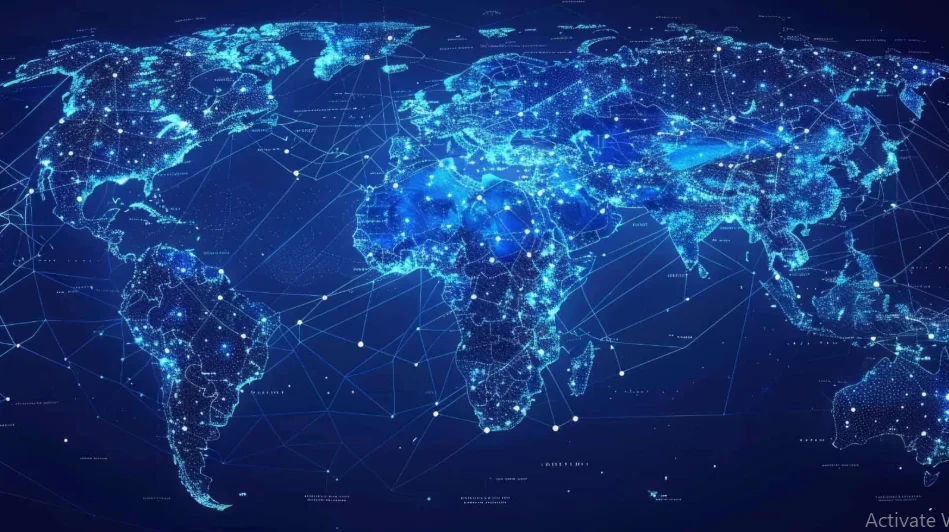
Fintech is an international industry, but financial systems differ between countries. Payment infrastructure, banking rules, consumer protections, and digital identity systems can influence which innovations succeed in each market.
For example, a payment method that works smoothly in one country may not be supported by merchants or banks elsewhere. Similarly, a digital asset service that is permitted in one jurisdiction may face restrictions in another.
Global fintech news can help businesses understand emerging technologies, compare market approaches, and identify developments that may eventually influence their own regions.
Readers should consider the source, publication date, relevant jurisdiction, and actual implementation status of each announcement. International comparisons are most useful when they explain the differences between markets rather than assuming that one country’s approach will work everywhere.
Fintech News Network and Fintech Magazine Resources
People who want regular updates may follow established financial technology publications, business news organizations, and official industry sources.
A fintech news network or fintech magazine can provide reporting, interviews, analysis, and explanations of developments across payments, banking, AI, investment technology, and digital assets.
When choosing a source, consider its editorial standards, author expertise, use of primary sources, and separation of reporting from sponsored content.
It is also helpful to compare important claims across multiple reliable sources. A company announcement may explain what the company intends to launch, while a regulator’s publication may clarify the legal requirements surrounding the product.
For students and beginners, explanatory articles and industry reports can provide background. For business decisions, however, readers should verify critical details using original documentation and qualified professional advice where necessary.
Challenges Facing the Fintech Industry in 2026
Although fintech offers many opportunities, several challenges remain.
Cybersecurity and fraud: Financial platforms must protect accounts, payments, and sensitive information against increasingly sophisticated attacks.
Regulatory complexity: Providers operating across borders may need to comply with different licensing, reporting, privacy, and consumer-protection requirements.
Customer trust: Users need clear information about fees, data usage, risks, and complaint procedures before adopting a financial product.
Access and affordability: Some customers lack reliable internet access, suitable devices, or the knowledge needed to use digital financial tools confidently.
Responsible AI: Automated systems need appropriate testing, monitoring, transparency, and safeguards against harmful or unfair outcomes.
Addressing these issues will help determine which fintech products deliver lasting value rather than short-term attention.
How Businesses Can Prepare for Fintech Changes
Businesses do not need to adopt every new financial technology. A better approach is to identify practical problems and evaluate whether a particular tool can solve them.
Start by reviewing how customers pay, how invoices are managed, and where employees spend time on repetitive financial tasks. Then compare potential solutions based on cost, reliability, security, ease of use, and compatibility with existing systems.
Before choosing a provider, examine its pricing, support arrangements, data practices, and relevant regulatory status. Test important features before relying on a new platform for essential operations.
Businesses should also train employees to recognize phishing attempts, protect login credentials, and follow procedures for verifying unusual payment requests.
The most effective fintech strategy is not necessarily the one with the newest technology. It is the one that improves real processes while protecting customers and the business.
Frequently Asked Questions
1. What are the biggest fintech trends in 2026?
Important areas to watch include AI-powered financial services, digital payments, open banking, embedded finance, cybersecurity, blockchain applications, and personal finance tools. Adoption varies across markets.
2. What is fintech in simple words?
Fintech means using technology to make financial services easier to access or operate. Examples include mobile banking apps, online payments, digital wallets, and budgeting applications.
3. Why is AI important in fintech?
AI can help financial organizations analyze transactions, support customers, identify unusual activity, and automate certain tasks. Its use requires appropriate security, testing, and oversight.
4. Where can I find reliable fintech news this week?
Look for established financial and business publications, official company announcements, central banks, and financial regulators. Always check dates and confirm major claims with primary sources.
5. What should I follow for fintech news USA?
Follow reputable US business and financial publications along with relevant official regulators. Check whether a development is a proposal, announcement, pilot, or implemented rule.
6. Where can I find fintech news Pakistan?
Official updates from the State Bank of Pakistan and other relevant authorities are useful starting points. Reputable local business publications can provide additional context.
7. Is fintech safe to use?
Fintech services can be useful, but safety depends on the provider, product, security practices, and applicable protections. Use strong authentication, review permissions, and verify providers before sharing financial information.
8. What is the future of fintech?

Fintech is likely to continue evolving through automation, digital payments, connected financial services, and improvements in security. The pace and direction of change will depend on customer needs, technology, and regulation.
Conclusion
Fintech continues to influence how people pay, save, borrow, invest, and manage financial information. The fintech trends 2026 discussed in this article show why AI, digital payments, cybersecurity, open banking, and financial education deserve attention.
For US businesses, international companies, and readers in Pakistan, the best approach is to follow reliable information, understand local rules, and evaluate new products carefully.
Technology can make financial services more convenient, but convenience alone is not enough. Strong security, transparency, accessibility, and responsible innovation will be essential to building trust in the future of digital finance.
Keep following TechPlusBusines for technology explainers, AI developments, programming guides, business insights, and digital trends.
Editorial note: This article is an educational overview, not financial, investment, or legal advice. Confirm current developments and local requirements with authoritative sources before making decisions.