If you have been searching for the right music production tool, you have likely come across one recurring question: Should I use Endbugflow software for making music? This question is being asked by thousands of producers, beginners, and hobbyists in 2026 and for good reason. Choosing the wrong software can slow your creative progress, waste your budget, and leave you frustrated before you even finish your first track.
In this comprehensive guide, we break down everything you need to know about Endbugflow what it is, how it works, who it is designed for, its strengths and weaknesses, and whether it deserves a place in your music production setup.
What Is Endbugflow Software?
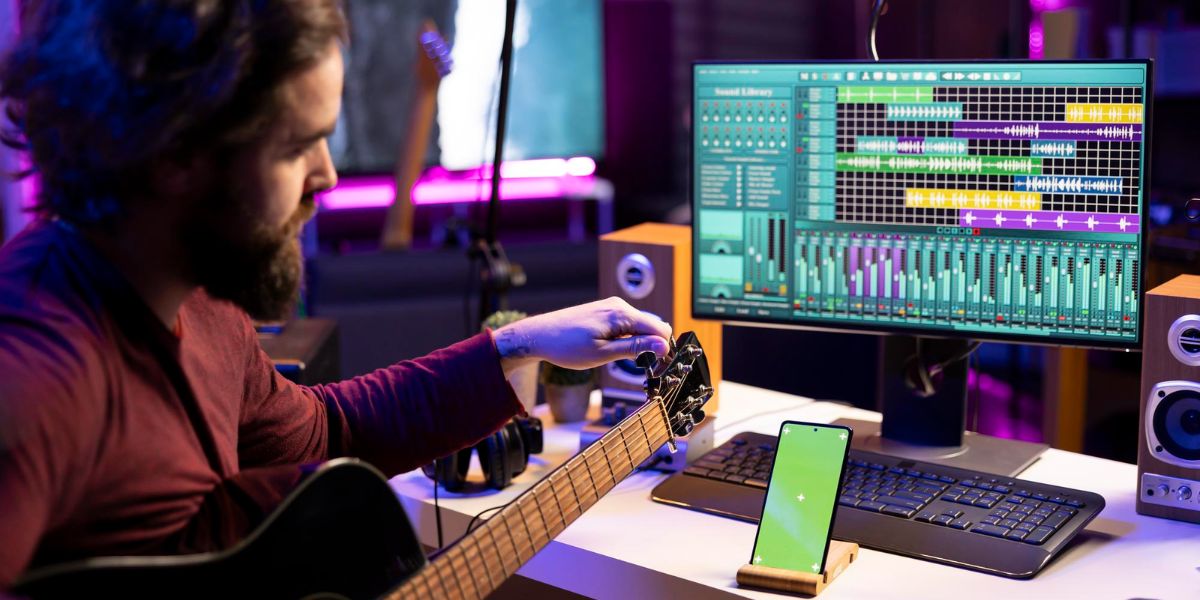
Endbugflow is a digital audio workstation (DAW) designed to simplify the music production process without stripping away the tools that serious creators need. Unlike traditional DAWs that overwhelm users with menus inside menus and deeply technical settings, Endbugflow is built around a clean, minimal interface that gets out of your way and lets you focus on one thing: creating music.
At its core, Endbugflow includes:
- Audio recording for live instruments and vocals
- MIDI sequencing for keyboards, drum pads, and controllers
- Drag-and-drop arrangement tools for building song structures visually
- Built-in effects including EQ, compression, reverb, and delay
- Virtual instruments and a sound library ready to use from day one
- Automation tools for dynamic, evolving mixes
- Real-time collaboration features for working with others remotely
The software operates on a modular framework, meaning users can customize their workspace to match how they naturally create. Whether you are building a full electronic track, recording an acoustic guitar, or producing a podcast, Endbugflow adapts to your workflow rather than forcing you to adapt to it.
Who Is Endbugflow Designed For?
One of the most important factors in answering should I use Endbugflow software for making music is understanding whether you fall into the target audience the software was built for.
Beginners and First-Time Producers
If you are just starting out, Endbugflow is one of the most welcoming entry points into music production available today. Its interface is organized in a way that most new users can understand within a few hours. There are no complex routing systems to configure before you can hear a single sound. You open the software, pick a template, and start building.
Independent and Bedroom Producers
Home studio production has exploded in recent years, and Endbugflow fits perfectly into that environment. It runs efficiently on mid-range computers including laptops without demanding heavy CPU or RAM resources. This makes it ideal for independent artists who want professional-sounding results without investing in high-end studio hardware.
Content Creators and Podcasters
Beyond music, Endbugflow’s recording and editing tools work well for anyone who needs to produce audio content regularly. Podcasters, YouTubers, and social media creators can use it to record voiceovers, edit audio, and add background music to their projects.
Intermediate Producers Looking to Experiment
Even producers with experience in other DAWs sometimes find value in using Endbugflow as a secondary tool for quick demos, idea sketching, or exploring a different workflow before committing an idea to their main setup.
Key Features That Make Endbugflow Stand Out
1. Intuitive Interface With Minimal Learning Curve
The first thing most users notice about Endbugflow is how accessible it feels. Color-coded sections, clearly labeled tools, and a drag-and-drop system allow users to move quickly without consulting a manual every five minutes. For beginners, this dramatically reduces the intimidation factor that often stops people from continuing with music production.
2. Genre Templates and Preconfigured Workflows
Endbugflow includes preconfigured templates for different music genres. When you select a template, it automatically loads the right routing structures, effects chains, and track groupings for that style. This saves setup time and ensures that even users without deep technical knowledge can start in the right direction.
3. Built-In AI Assistance
One of Endbugflow’s more innovative features is its adaptive workflow system. The software analyzes your production habits over time and begins suggesting optimized routing configurations, mix templates, and chord progressions based on the type of music you are creating. For beginners, this acts as a helpful guide. For experienced producers, it works as a creative spark.
4. Real-Time Collaboration
Music is increasingly being made remotely, and Endbugflow supports this with built-in collaboration tools. Multiple users can work on the same project simultaneously from different locations. Musicians, vocalists, and producers can contribute without needing to be in the same room — or even the same country.
5. Solid Audio Engine Performance
Endbugflow supports high sample rates and multi-core processing, which means it can handle complex projects without crashing or causing noticeable latency. In typical home studio setups around 16GB of RAM with SSD storage the software performs reliably even with 30 or more tracks loaded.
6. Affordable Pricing With a Free Trial
Budget is always a factor when choosing music software. Endbugflow offers tiered pricing plans to accommodate different needs, and it includes a free trial that lets you fully explore the platform before committing to a subscription. For most users, the trial period is enough to determine whether the software matches their workflow.
Endbugflow vs. Other Popular DAWs
When asking should I use Endbugflow software for making music, it helps to see how it compares with the tools most producers already know.
| Feature | Endbugflow | FL Studio | Ableton Live | Logic Pro |
| Beginner Friendly | ✅ Excellent | ⚠️ Moderate | ⚠️ Moderate | ⚠️ Moderate |
| Live Performance | ⚠️ Limited | ✅ Good | ✅ Excellent | ⚠️ Limited |
| Plugin Ecosystem | ⚠️ Growing | ✅ Large | ✅ Large | ✅ Large |
| Collaboration | ✅ Built-in | ❌ Limited | ⚠️ Moderate | ❌ Limited |
| Price | ✅ Affordable | ⚠️ Mid-range | ❌ Expensive | ⚠️ Mac only |
| CPU Performance | ✅ Efficient | ⚠️ Moderate | ⚠️ Moderate | ✅ Optimized |
Endbugflow clearly wins in accessibility and collaboration. Where it falls short compared to more established DAWs is in the depth of its plugin ecosystem and its suitability for live performance setups. If you are planning to perform on stage or need access to hundreds of third-party plugins immediately, tools like Ableton Live or FL Studio may serve you better. But if your priority is getting started quickly, working remotely with others, and producing polished tracks without a steep learning curve, Endbugflow is a serious contender.
Real-World Results: What Users Are Achieving

The proof of any music software lies in what people actually produce with it. Independent electronic producer Marcus Chen released a debut album entirely within Endbugflow, accumulating over two million streams across platforms. He has credited the software’s accessibility with allowing him to concentrate on composition rather than getting lost in technical problem-solving.
Indie rock band The Coastal Drifters recorded and mixed an entire EP using Endbugflow, receiving positive reviews from regional music publications that praised the professional production quality of the recordings.
These examples confirm that Endbugflow is not just a beginner’s toy. When used with intent and creativity, it is capable of producing results that hold up in real commercial contexts.
Honest Limitations You Should Know
No honest review of any software should ignore its weaknesses. Here is what Endbugflow currently falls short on:
Limited Plugin Ecosystem: Compared to FL Studio or Ableton Live, Endbugflow’s third-party plugin library is still growing. If you rely heavily on specific VST instruments or effects that you already own, compatibility may vary.
Not Ideal for Advanced Studio Production: Professional studios working on major commercial releases typically use industry-standard tools. Endbugflow is not designed to replace them. It sits comfortably in the independent and home studio space.
Learning Curve for Complex Features: While the basics are accessible, some of the more advanced features particularly around automation, routing, and mixing — require time and patience to master fully. New users who push past the surface level may encounter a steeper learning curve than expected.
Long Session Quirks: Some users report occasional performance inconsistencies during very long sessions with heavy plugin loads. Saving frequently and keeping session sizes manageable addresses this in most cases.
Should You Use Endbugflow Software for Making Music?
Here is a straightforward answer based on everything covered in this guide:
Yes — if you are:
- A beginner stepping into music production for the first time
- An independent artist who wants to produce full tracks at home
- Someone who values simplicity and fast creative workflow over deep technical complexity
- A content creator who needs audio production tools without a massive investment
- A producer who wants built-in collaboration features
Think carefully — if you are:
- An experienced professional working within established commercial studio pipelines
- A producer who depends heavily on specific third-party plugins
- Someone focused primarily on live performance and real-time music triggering
- An artist who needs guaranteed compatibility with industry-standard session formats
The smartest move is to download the free trial, build two or three complete projects from scratch, and let your own experience guide your decision. No review including this one can substitute for hands-on time with the software.
Final Verdict
The question should I use Endbugflow software for making music does not have a single universal answer, but it does have a clear one for most people reading this guide. If you want to start creating music today, work efficiently within a clean and responsive environment, collaborate with others remotely, and produce results you are proud of Endbugflow gives you all of that without unnecessary complexity.
It is not the most powerful DAW on the market. But power is only valuable when you can actually use it. For the majority of independent creators in 2026, Endbugflow represents an intelligent starting point and a capable long-term tool for anyone whose needs align with what it was built to do.