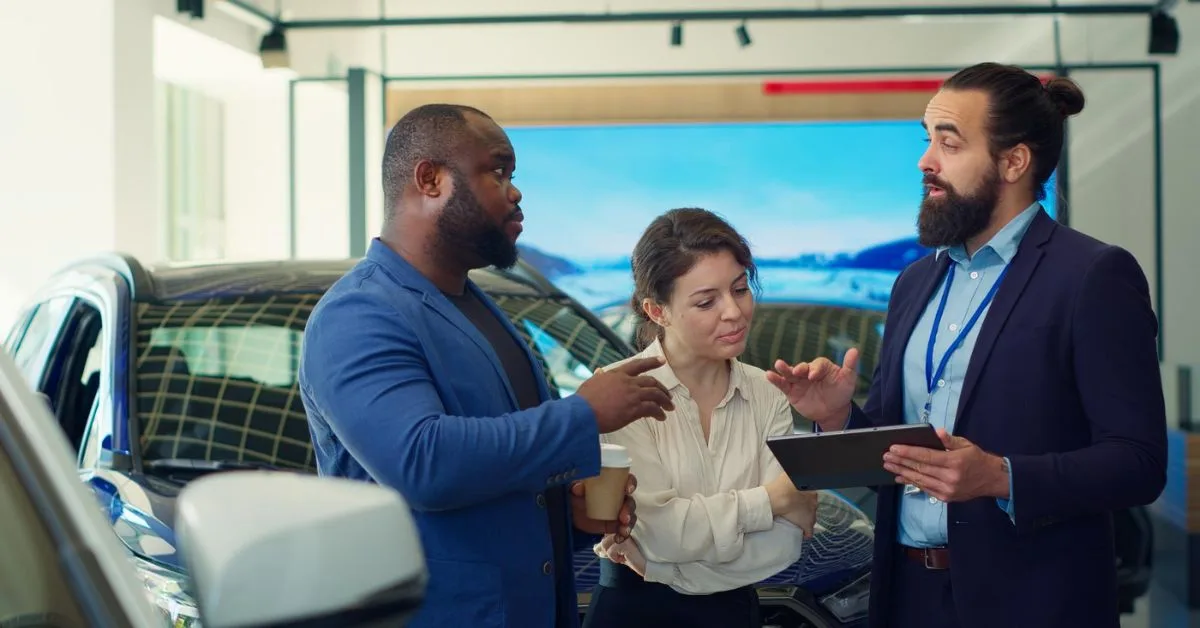
The automotive industry is evolving faster than ever and standing out in a crowded market demands more than just a great product. Automotive partnerships have emerged as one of the most powerful tools for dealerships, manufacturers, and auto brands to grow together. By forming strategic alliances, companies can tap into shared audiences, split marketing costs, and boost brand credibility through association. Whether it’s a co-branding collaboration, a joint venture, or an affiliate marketing program, automotive partnership marketing opens doors that solo efforts simply cannot. In 2025, these partnerships are no longer optional; they’re a competitive necessity for any automotive brand looking to scale.
What Is Automotive Partnership Marketing?
Automotive partnership marketing is a collaborative marketing strategy where two or more businesses in or around the automotive industry join forces to achieve shared goals. Instead of competing in isolation, partnering brands pool their resources, audiences, and expertise to amplify reach and drive mutual growth.
This approach allows companies to collaborate with each other to achieve common objectives and play to each other’s strengths making automotive brand partnership marketing dynamic and capable of bringing new, innovative ways to grow in the industry. Spyne
In simple terms: you grow faster when you grow together.
Why Automotive Partnership Marketing Works in 2025
The automotive market has never been more competitive. Consumer buying journeys have shifted almost entirely online, attention spans are fragmented, and marketing budgets are under pressure. Research shows that 92% of potential car buyers explore vehicles on digital platforms before making a purchase meaning brands must show up everywhere, not just one channel. Limelightplatform
A study analyzing 300 joint ventures and partnerships in the automotive industry revealed a 198% spike in deal volumes over 18 months, highlighting just how aggressively the industry is embracing collaboration. Limelight platform
Partnership marketing works because it creates win-win outcomes: expanded reach, shared costs, and stronger brand trust all without doubling the effort.
Key Benefits of Automotive Partnership Marketing
Here’s a snapshot of the core advantages:
| Benefit | What It Means for Your Brand |
| Expanded Reach | Access your partner’s existing audience instantly |
| Shared Costs | Split marketing and distribution expenses |
| Brand Credibility | Gain trust by associating with reputable brands |
| Innovation | Co-develop products or campaigns neither could alone |
| Risk Reduction | Share the financial exposure of new ventures |
| Lead Generation | Cross-promotions attract warm, qualified leads |
Each brand instantly gains a new, engaged audience and the opportunity to attract attention beyond their traditional base and costs can be split while expertise is shared. Dialogue
How to Choose the Right Automotive Marketing Partner
Choosing the wrong partner can damage your brand. Here’s what to look for:
- Audience alignment Do their customers overlap with yours?
- Value compatibility Do you share similar brand values and quality standards?
- Complementary strengths Does the partner fill a gap in your capabilities?
- Clear goals Are both parties aligned on measurable outcomes?
- Reputation check: Is their brand credible and trustworthy in the market?
It is crucial to partner with brands that have the same target audience and align with your values. To find the right brand, thorough research on brands that are well-known in the automotive industry is essential. Spyne
Top Automotive Partnership Marketing Strategies for 2026

1. Search Engine Marketing (SEM)
Ranking on page one for key automotive queries drives qualified traffic. A dual SEM strategy combining paid ads and organic SEO works best. Securing a leading position for your website on the first page of a pertinent search query can significantly boost brand visibility, increase web traffic, and potential conversion rates. Spyne
2. Email Marketing
Email marketing is an essential part of automotive partnership strategy, with a remarkable return on investment of 4,400% making email campaigns a powerful means to gain leads and provide lasting customer loyalty. Spyne
3. Social Media Cross-Promotions
Joint social media campaigns, co-branded giveaways, and shared content help both partners grow their followings simultaneously. Host giveaways where participants must engage with both brands to enter.
4. Product Bundling
Combine your automotive products or services with a partner’s offerings into attractive bundles. This increases overall market value and drives sales for both parties.
5. Review Encouragement
Positive reviews are social proof. Motivate customers to leave reviews on both partners’ platforms to build trust and online reputation.
6. Affiliate Marketing Programs
Create affiliate partnerships where third parties earn commissions for driving traffic and sales. This extends your reach without upfront ad spend.
7. Content Sharing
Co-create blogs, videos, and guides that serve both audiences. Content collaboration improves SEO and positions both brands as industry authorities.
AI and Data-Driven Approaches in Automotive Partnerships
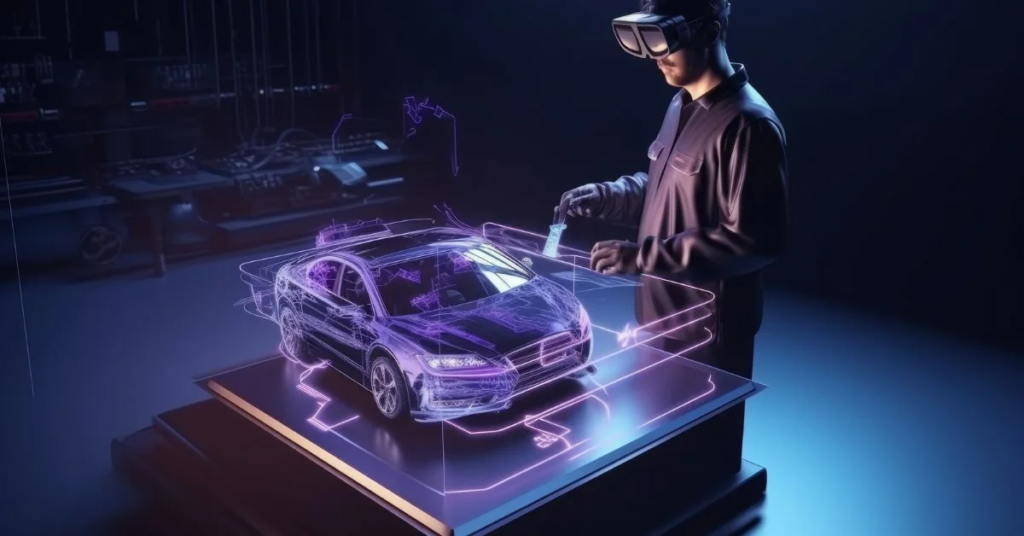
Artificial intelligence is reshaping how automotive partners collaborate and target customers. AI-driven tools can now analyze consumer behavior, predict purchasing preferences, and automate personalized ad campaigns across multiple platforms. Themorangroup
Key AI applications in automotive partnerships:
- Predictive analytics to identify high-intent buyers
- Programmatic advertising for smarter joint ad campaigns
- CRM integration to share customer insights between partners
- Chatbots for 24/7 lead nurturing across both brand channels
Personalized advertising approaches have been shown to reduce customer acquisition costs by 10–30% through more precise targeting based on user preferences and behaviors. Scubemarketing
Digital Marketing Channels for Automotive Partnerships & Content Tactics
The most effective digital marketing channels for partnership campaigns include:
- SEO & SEM Shared keyword strategies and co-authored landing pages
- Email campaigns Joint newsletters with exclusive partner offers
- Social media Coordinated posts, Reels, and TikToks featuring both brands
- YouTube Co-produced vehicle review or feature content
On the content side, affiliate marketing deserves special mention. When dealerships or brands partner with auto review sites, comparison platforms, or influencer networks, they pay only for performance making it one of the most cost-efficient partnership tactics available.
Co-creating content with real drivers, enthusiasts, and creators feels more authentic and drives higher engagement than traditional advertising. Webrand
Types of Automotive Partnership Marketing Explained
| Type | Description |
| Distribution partnerships | Share logistics and delivery networks |
| Referral partnerships | Partners send leads to each other |
| Loyalty programs | Reward shared customer bases jointly |
| Sponsorships | Fund events, races, or creators in exchange for visibility |
| Licensing | Allow partners to use your brand assets |
| Affinity marketing | Align with lifestyle brands for emotional resonance |
| Affiliate marketing | Commission-based referral arrangements |
| Product placement | Feature your vehicle in media content |
| NonProfit partnerships | Align with causes for reputation and trust-building |
Co-Branding, Sponsorships & Joint Ventures in Automotive
Co-branding is one of the most visible forms of automotive partnership. When two well-known brands join forces to co-brand a new product, it can significantly boost sales combining their resources to promote a jointly developed offering. Spyne
Classic real-world examples include:
- BMW × Louis Vuitton A limited edition luggage set that symbolized exclusivity and sophistication, attracting customers who appreciate luxury. Dream Farm Agency
- Toyota × Subaru Co-developing the 86/BRZ and Supra, demonstrating how shared technologies and engineering expertise can create vehicles that captivate enthusiasts worldwide. Turbo Marketing
- Ford × Eddie Bauer A 25-year co-branding partnership on SUV trim packages that became iconic in the industry.
For joint ventures, they allow for the sharing of risk among partners, as large investments and uncertain outcomes can be managed jointly facilitating better resource utilization and cost-saving opportunities through shared R&D. Turbo Marketing
Loyalty Programs, Referrals & NonProfit Partnerships
Loyalty programs between automotive partners reward customers for engaging with multiple brands, for example, earning points at a dealership that can be redeemed at a partner insurance or fuel brand.
Referral partnerships are simpler but highly effective. A finance company refers car buyers to a dealership; the dealership returns the favor. Both parties grow without running expensive ad campaigns.
NonProfit partnerships build brand authenticity. When an automotive brand aligns with a cause, road safety, environmental sustainability, or community programs it builds emotional trust that advertising alone cannot replicate.
Setting Goals and Measuring Your Partnership Marketing Results
No partnership succeeds without clear KPIs. Before launching, define:
- Traffic goals How much referral traffic should the partnership generate?
- Lead targets How many qualified leads per month?
- Revenue impact What incremental sales are expected?
- Brand awareness Track sentiment, mentions, and share of voice
The foundation of modern marketing is reliable and comprehensive measurement but only one-third of automakers believe they have adequate analytics resources to support effective decision making. BCG
Use tools like Google Analytics, CRM dashboards, and attribution software to track partnership performance. Review results monthly and adjust strategies based on data.
Common Mistakes to Avoid in Automotive Partnership Marketing
Avoid these pitfalls:
- Misaligned values Partnering with a brand that doesn’t match your audience or reputation
- No clear contract Undefined roles, deliverables, and revenue splits cause conflict
- Ignoring data Running partnerships without tracking performance is wasted effort
- Over-reliance on one partner Diversify your partnership portfolio
- Skipping authenticity Today’s car buyers can easily identify inauthentic sponsorships, and inappropriate influencer partnerships can actually damage dealer reputation and credibility. Thelmbmarketinggroup
Future Trends in Automotive Partnership Marketing

The next phase of automotive partnerships will be shaped by:
- EV collaborations As more consumers shift toward electric vehicles, marketing strategies must evolve with brands partnering with eco-conscious influencers to boost brand credibility. Themorangroup
- Tech cross-industry deals Automakers partnering with AI firms, entertainment companies, and connectivity platforms
- Data sharing alliances Partners co-investing in first-party data ecosystems as third-party cookies disappear
- Sustainability co-branding Aligning with green brands to appeal to environmentally conscious consumers
- AR/VR partnerships Joint virtual showroom experiences powered by immersive tech
The automotive marketing industry is experiencing a digital transformation that goes far beyond simply moving budgets from print to digital. Partnerships that embrace this shift will lead the market. Scubemarketing
FAQs
What is an automotive partnership?
An automotive partnership is a strategic alliance between two or more brands or businesses to achieve shared marketing, sales, or product development goals in the auto industry.
Why is partnership marketing important for car dealerships?
It helps dealerships expand their reach, reduce marketing costs, and build trust by associating with complementary brands all leading to more qualified leads.
What are examples of automotive co-branding?
Famous examples include BMW and Louis Vuitton, Toyota and Subaru (86/BRZ), and Ford and Eddie Bauer’s long-running SUV trim packages.
How do I measure the success of an automotive partnership?
Track KPIs like referral traffic, leads generated, revenue impact, and brand sentiment using CRM tools and analytics platforms.
What types of businesses make the best automotive marketing partners?
Insurance companies, fuel brands, tech firms, lifestyle brands, finance providers, and eco-conscious organizations often make strong automotive marketing partners.
Conclusion
Automotive partnership marketing is no longer a nice-to-have, it’s a growth engine. Whether you’re a dealership, manufacturer, or auto-adjacent brand, forming the right partnerships can unlock audiences, reduce costs, and build the kind of brand credibility that money alone can’t buy. Start with clear goals, choose partners that align with your values, and let data guide every decision. The brands that collaborate smartest will drive furthest.