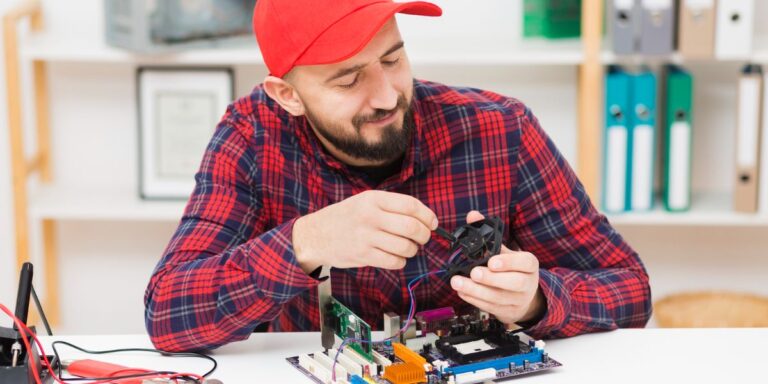
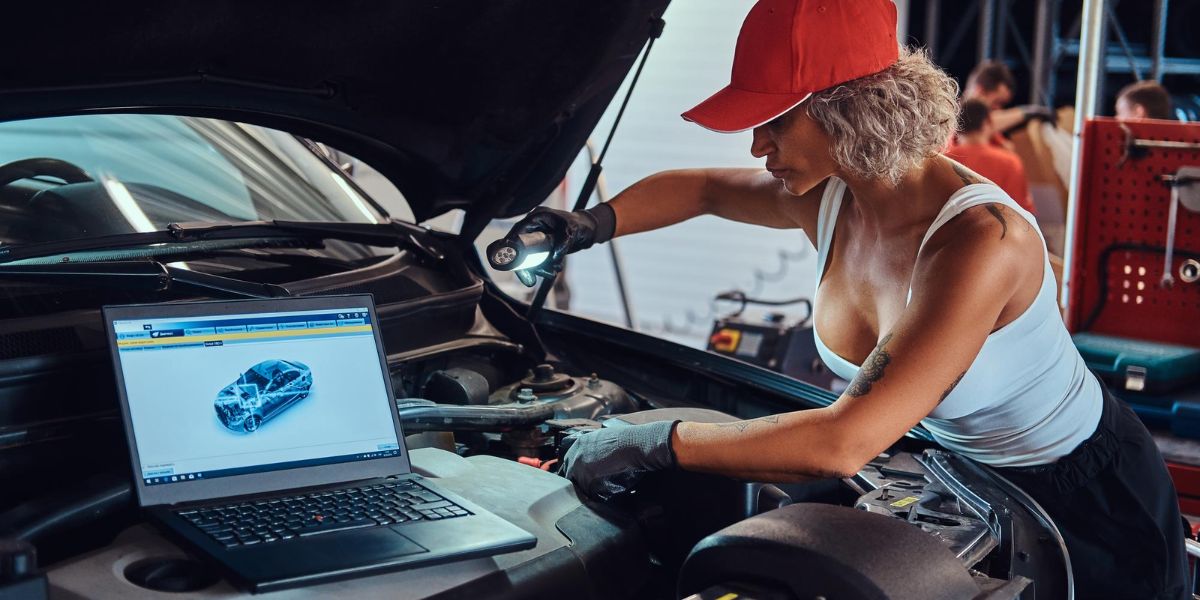
Modern vehicles are no longer just mechanical machines they’re rolling computers. With hundreds of sensors, onboard control modules, and advanced driver-assistance systems packed into every new model, your car demands more than a wrench and a flashlight to fix properly.
That’s where hi tech auto repair comes in. Whether you’re dealing with a mysterious check engine light or need a full transmission overhaul, understanding what high-tech auto repair means can help you make smarter decisions and protect your investment.
What Is Hi Tech Auto Repair?
Hi tech auto repair refers to vehicle service and maintenance performed using advanced diagnostic tools, computerized equipment, and up-to-date software rather than relying solely on guesswork or basic mechanical inspection. Today’s certified technicians use OBD-II scanners, ADAS calibration systems, electronic control module (ECM) readers, and live data analysis tools to pinpoint problems faster and with greater accuracy.
This approach is no longer optional. Vehicles manufactured in the last decade use sophisticated electronic systems to manage everything from fuel injection and emission controls to stability control and automatic braking. Without the right technology in the shop, even an experienced mechanic can miss a critical fault.
Core Services Offered at a Hi-Tech Auto Repair Shop
A properly equipped, modern auto repair facility should offer a full range of services powered by the latest tools. Here’s what you can typically expect:
1. Advanced Computer Diagnostics
Using professional-grade OBD-II scanners and manufacturer-specific software, technicians can read fault codes, analyze live sensor data, and assess the health of your vehicle’s entire electronic system not just the engine.
2. Engine Repair and Tune-Up
From minor tune-ups to complete engine rebuilds, high-tech shops have the precision tools and technical knowledge to handle complex engine work on both domestic and import vehicles.
3. Transmission Services
Automatic and manual transmission repairs require specialized equipment. A hi-tech shop can perform fluid flushes, solenoid replacement, full rebuilds, and software recalibration on modern automatic gearboxes.
4. Brake Inspection and Repair
Advanced brake systems including ABS, electronic parking brakes, and brake-by-wire setups need computer-assisted bleeding and calibration after service.
5. Electrical and Electronic System Repairs
Battery testing, alternator checks, wiring diagnostics, and ECM programming all fall under this category. Shops with ABS, SRS, and ASR diagnostic tools can handle safety-critical system repairs with confidence.
6. Suspension and Steering Services
Laser wheel alignment tools deliver precise adjustments that protect tire life, improve handling, and maintain fuel efficiency. High-tech shops also use digital alignment racks for four-wheel alignment checks.
7. ADAS Calibration and Computer Reflashing
After windshield replacement, collision repairs, or suspension work, advanced driver-assistance systems (like lane departure warning and adaptive cruise control) must be recalibrated. Computer reflashing installing the latest manufacturer software on your car’s ECU also falls into this category.
8. Air Conditioning and Climate Control Services
With modern HVAC systems tied into the vehicle’s computer network, refrigerant recharges and compressor repairs now often require electronic diagnostics as well.
9. Preventive Maintenance
Oil changes, fluid top-offs, filter replacements, and tire rotations are the foundation of vehicle longevity. A good hi-tech shop tracks your service history digitally and reminds you when maintenance is due.
Hi Tech Auto Repair vs. Traditional Auto Repair: Key Differences
| Feature | Traditional Auto Repair | Hi Tech Auto Repair |
| Diagnostic Method | Visual inspection, experience | OBD-II scanners, live data analysis |
| Repair Accuracy | Trial-and-error approach | Precise fault identification |
| Technician Certifications | Variable | ASE, I-CAR certified |
| Equipment | Basic hand tools | Computer diagnostic systems, laser alignment |
| Turnaround Time | Often longer | Faster due to precise diagnosis |
| Warranty | Shop-dependent | Often 12-month/12,000-mile nationwide |
| Vehicle Compatibility | Limited to older models | All makes and models, including EVs and hybrids |
Why ASE-Certified Technicians Make a Difference

Not every mechanic is qualified to work on today’s complex vehicles. When choosing a hi tech auto repair shop, look for ASE (Automotive Service Excellence) certified technicians. ASE certification is an industry standard that verifies a technician has passed rigorous testing in specific areas from engine repair to electrical systems.
Many top-rated shops also hold I-CAR certification, which is especially important for collision and structural repair work. These credentials signal that the technicians stay current with the latest automotive technology through ongoing training and testing.
The Role of Transparency in High-Tech Auto Service
One of the biggest advantages of modern diagnostic technology is what it does for customer communication. Rather than hearing “we think it might be the engine,” you receive a detailed diagnostic report explaining exactly what’s wrong and why. The best hi-tech shops walk you through the findings before any work begins, give accurate written estimates, and never pressure you into unnecessary repairs.
This level of transparency builds trust and trust is what keeps customers returning for 10, 15, even 20+ years. Reviews across top-rated shops consistently mention honest communication as the number-one reason drivers keep coming back.
What to Look for When Choosing a Hi Tech Auto Repair Shop
Finding the right auto repair shop doesn’t have to be stressful. Keep these criteria in mind:
- ASE or I-CAR certified technicians on staff
- State-of-the-art diagnostic equipment, including OBD-II scanners and ADAS calibration tools
- Written estimates provided before work begins
- Warranty on parts and labor (look for at least 12 months or 12,000 miles)
- Positive customer reviews highlighting honesty and accuracy
- Experience with your vehicle’s make and model, including imports, EVs, and hybrids
- Clean, organized facility a sign of professionalism and attention to detail
- Clear, upfront pricing with no hidden fees
Preventive Maintenance: The Smart Investment
The smartest thing any vehicle owner can do is stay ahead of problems not react to them. Regular preventive maintenance at a hi-tech shop includes:
- Oil and filter changes every 3,000–7,500 miles (depending on your vehicle and oil type)
- Tire rotation every 5,000–7,500 miles for even wear
- Brake inspection at least once a year
- Fluid checks coolant, brake fluid, power steering, transmission fluid
- Battery testing before extreme weather seasons
- Air filter replacement every 15,000–30,000 miles
- Wheel alignment check annually or after any impact
Following this schedule can extend the life of your vehicle significantly and help avoid costly emergency repairs down the road.
Hi Tech Auto Repair for EVs and Hybrids
Electric vehicles and hybrids introduce an entirely new layer of complexity. High-voltage battery systems, regenerative braking, electric motors, and sophisticated battery management systems require technicians with specialized training and equipment. A true hi-tech auto repair shop is equipped and certified to service these vehicles safely and that distinction matters more every year as EVs become mainstream.
If you drive a hybrid or electric vehicle, confirm that your chosen repair shop has EV-specific diagnostic tools and technicians who have completed high-voltage safety certification.
Conclusion
Hi tech auto repair is not just a buzzword it’s the new standard for keeping modern vehicles safe, efficient, and reliable. From advanced computer diagnostics and ADAS calibration to transparent communication and certified expertise, today’s best auto repair shops combine cutting-edge technology with genuine customer care. When you choose a shop that invests in both its tools and its team, you’re not just fixing a problem you’re protecting the long-term health of your vehicle and your safety on the road.
Do your research, ask the right questions, and look for that combination of certification, transparency, and modern equipment. Your car and your wallet will thank you.
FAQs
What does hi tech auto repair mean?
Hi tech auto repair means using advanced diagnostic computers, specialized software, and modern equipment to accurately identify and fix vehicle problems going well beyond basic mechanical inspection.
How do I know if an auto shop is truly high-tech?
Look for ASE-certified technicians, professional OBD-II diagnostic systems, written estimates, and a clean modern facility. Online reviews mentioning accurate diagnostics and honest service are also a strong indicator.
Is hi tech auto repair more expensive than regular shops?
Not necessarily. Precise diagnostics actually reduce costs by fixing the right issue the first time, avoiding unnecessary repeat repairs that add up quickly.
Can hi tech auto shops service electric vehicles?
Yes the best hi-tech shops are equipped with EV-specific diagnostic tools and have technicians trained in high-voltage systems, battery management, and regenerative braking.
What is an OBD-II scanner used for in auto repair?
An OBD-II scanner reads fault codes and live data from your vehicle’s onboard computer, helping technicians pinpoint the exact source of a problem quickly and accurately.
How often should I visit a hi tech auto repair shop for preventive maintenance?
Most experts recommend an oil change every 3,000–7,500 miles, a brake inspection annually, and a comprehensive vehicle checkup at least once a year depending on mileage and driving conditions.
What certifications should a hi tech auto technician have?
ASE (Automotive Service Excellence) certification is the gold standard. I-CAR certification is important for collision repair. EV-specific safety training matters if you drive a hybrid or electric vehicle.